
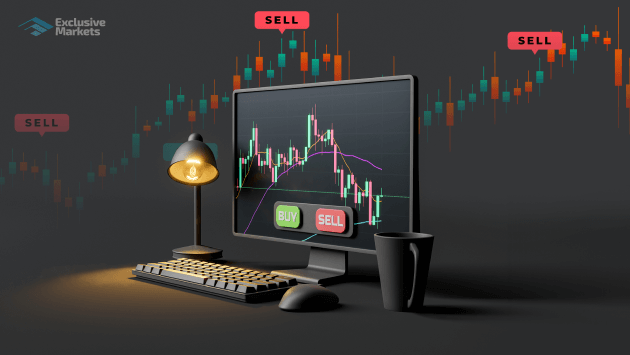
In the dynamic world of Forex trading, leveraging technology is becoming increasingly important for success in a saturated market. Automated trading stands out as a revolutionary approach that many traders are now adopting. By utilizing automated trading forex Online Trading CM, traders can harness the power of algorithms and software to streamline their trading processes. This article delves into the nuances of automated trading in the Forex market, discussing its advantages, potential pitfalls, and the tools available for both new and experienced traders.
Understanding Automated Trading in Forex
Automated trading, often referred to as algorithmic trading or robo-trading, involves using computer programs to execute trades based on predetermined criteria. These algorithms analyze market data and execute trades considerably faster than a human trader could. This form of trading is primarily used in Forex due to the market’s volatility and 24/5 operational nature.
Advantages of Automated Trading
1. Speed and Efficiency
One of the hallmark benefits of automated trading is speed. Algorithms can scan the market and execute trades within milliseconds, seizing opportunities that a manual trader might miss. This speed can significantly enhance profitability, especially in high-frequency trading environments.
2. Elimination of Emotional Trading
Emotions can poorly influence decision-making in trading. Automated trading systems operate on a strict set of rules without succumbing to fear or greed, leading to more consistent decision-making.
3. Backtesting
Before deploying a trading strategy in the live market, traders can test their algorithms using historical data. This process, known as backtesting, helps traders assess the viability of their strategies and make necessary adjustments.
4. Diversification
Automated trading allows traders to manage multiple accounts and techniques simultaneously. This diversification spreads risk across different strategies and markets, potentially enhancing overall profitability.
Potential Pitfalls of Automated Trading
1. Over-Optimization
While backtesting is essential, it can lead to over-optimization, where a strategy is fine-tuned to perform well on historical data but fails in real-time conditions. This phenomenon often leads to “curve fitting,” hampering long-term success.
2. Dependency on Technology
Reliance on automated systems poses risks, including system failures, software bugs, or connectivity issues that can interrupt trading. Traders need to monitor their systems and prepare for potential issues.
3. Market Changes

The Forex market constantly evolves due to global economic factors, political climates, and technological advancements. A strategy that once worked might not remain profitable indefinitely, underscoring the importance of continual assessment and adaptation.
Tools for Automated Forex Trading
Numerous platforms and tools are available to assist traders in implementing automated trading strategies. Here are some popular options:
1. MetaTrader 4 and 5
MetaTrader platforms are among the most beloved tools for Forex traders. They offer extensive features, including technical analysis tools, script creation for automated trading (Expert Advisors), and a community of developers sharing trading algorithms.
2. TradingView
Known for its user-friendly interface and powerful trading tools, TradingView allows traders to create custom strategies and analyze multiple markets in real time. The platform supports the Pine Script language for algorithm development.
3. NinjaTrader
NinjaTrader is specifically designed for futures and Forex trading. It offers advanced market analysis tools, customizable dashboards, and supports automated strategies through its proprietary NinjaScript programming language.
Best Practices for Automated Trading
1. Start with a Solid Plan
Before diving into automated trading, it’s essential to have a well-structured trading plan. Define your objectives, risk tolerance, and strategies, as these will guide your automated system’s development and trading rules.
2. Monitor Performance Regularly
No matter how robust an automated trading system is, consistent monitoring is critical. Regular checks ensure that the algorithm adapts to market conditions and continues to operate as intended.
3. Keep Learning
The Forex market is multifaceted and constantly changing. Continuous education and adaptation of your trading strategies will empower you to enhance your automated systems over time.
Conclusion
Automated trading in Forex is a powerful tool for both novice and experienced traders. By understanding its benefits, potential pitfalls, and the tools available, traders can leverage automation to improve efficiency, minimize risks, and enhance profitability. As with any trading strategy, knowledge, monitoring, and adaptability are essential for long-term success. Embracing the future of Forex through automated trading can pave the way for a more informed and profitable trading experience.